
 Português
 Español
 Français
 Deutsch
 Italiano
Light · 2 min read
Bright indirect light: what it is and how to find the right spot at home
Understand shade, partial shade, bright indirect light and full sun, how to spot each one in your home, and which plants suit each place.
In this guide · 5 parts
“Bright indirect light” is on the label of almost every houseplant, but few people know exactly what it means. And light, more than anything, decides whether a plant grows well or ends up weak, leggy and without flowers.
The 4 light levels
In momiroot, every plant has a range on this scale:
| Level | What it is | How to recognise it |
|---|---|---|
| Shade | Little light, far from windows | You can read, but you switch the light on during the day |
| Partial shade | Bright, but no sun falling on it | Near a window that gets no direct sun, or 2–3 metres from one that does |
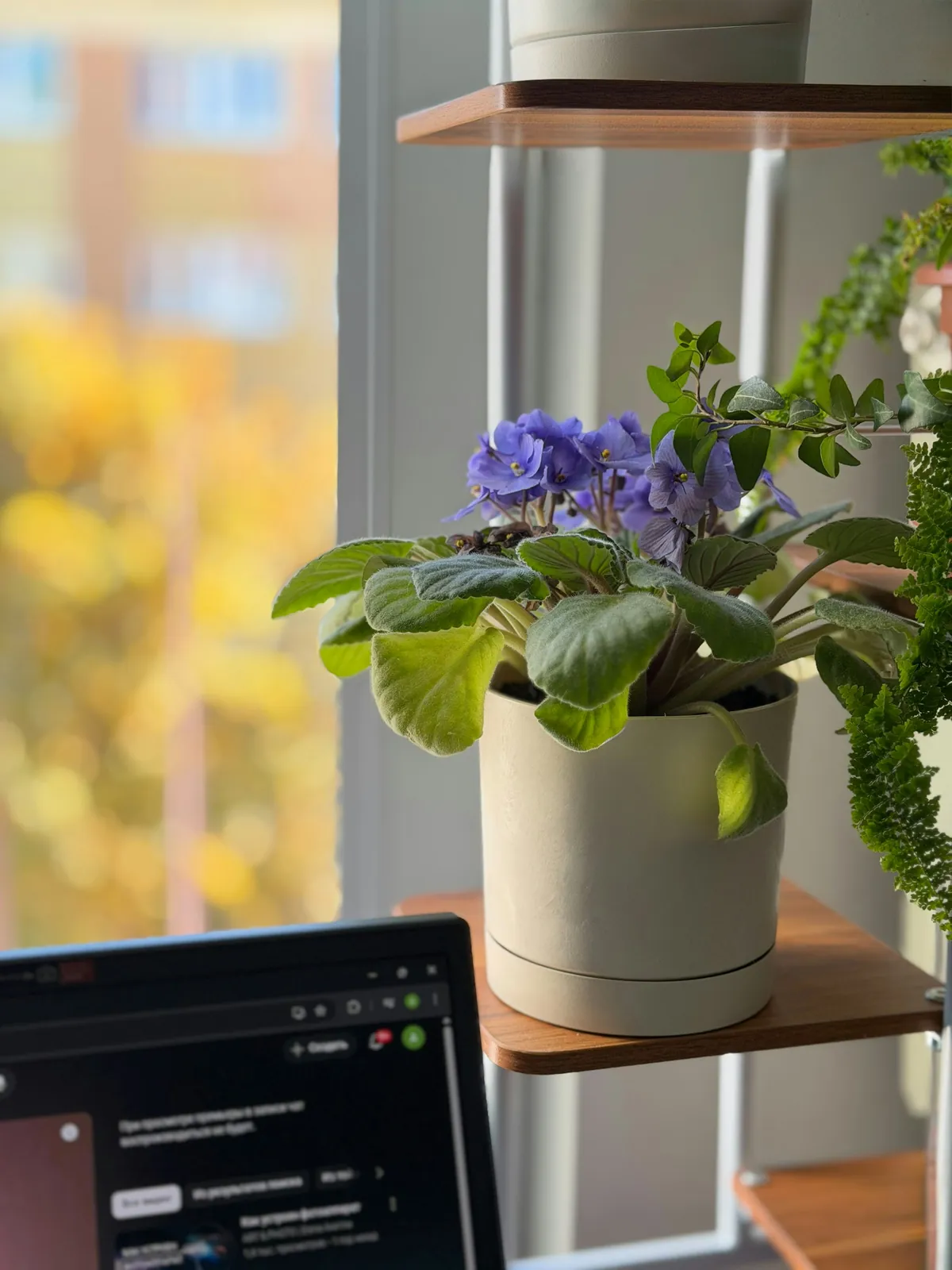
| Bright indirect light | Very bright, filtered sun | Next to a window with a sheer curtain, or where the sun only reaches a little in the morning |
| Full sun | Direct sun for several hours | A window or balcony that gets sun for 4 to 6 hours or more |
Bright indirect light, then, is a very bright spot where strong sun doesn't fall directly on the leaves, or only the gentle morning sun does.
The hand-shadow trick
At midday, hold your hand about 30 cm above where the plant sits:
- A sharp shadow with crisp edges: direct sun.
- A visible shadow with blurry edges: bright indirect light.
- A faint shadow that almost disappears: partial shade or shade.
Which way the window faces matters
In the UK and the rest of the northern hemisphere:
- South-facing window: gets the most sun through the day and through the year.
- East-facing window: gets the morning sun, which is gentler. It's great for bright indirect light.
- West-facing window: gets the afternoon sun, which is hotter. Take care with thin-leaved plants.
- North-facing window: gets little or no direct sun. It's good for plants that like partial shade.
In the southern hemisphere, such as in Brazil, north and south are the other way round.
Which plants suit each place
- Shade to partial shade:
- ZZ plant;
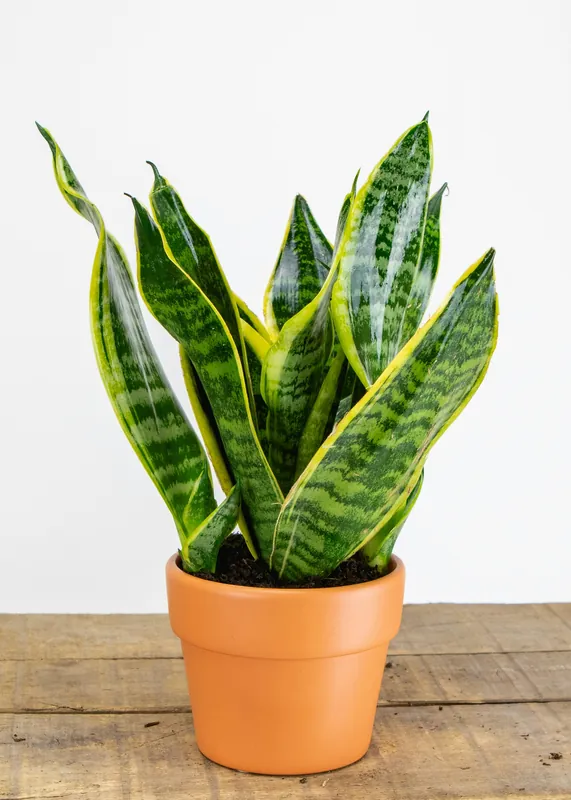
- snake plant, which copes with low light but grows more in brighter spots;
- peace lily, which needs more light to flower;
- cast iron plant.
- Bright indirect light:
- Full sun:
- echeveria;
- aloe vera;
- desert rose;
- herbs such as rosemary and basil.
Signs of the wrong light
- Too little light:
- long, thin stems with widely spaced leaves;
- the plant leaning towards the window;
- leaves losing their markings and colour;
- no flowers.
- Too much light:
- dry, pale or brown patches;
- faded leaves, or leaves scorched at the edges.
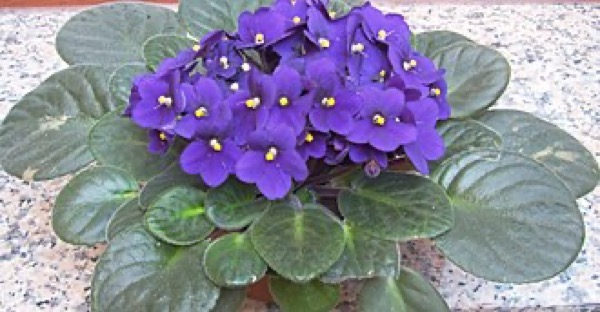 Plant in this guideAfrican violetSee the full plant page
Sources
momiroot catalogue plant pages (light ranges with sources from NC State Extension and the RHS).