
 Português
 Español
 Français
 Deutsch
 Italiano
Problems and pests · 2 min read
Overwatering: 6 signs you're drowning your plant
Yellow leaves, a soft base, compost that's always wet: the signs of overwatering, and how to save a plant that's had too much water.
In this guide · 4 parts
It sounds odd, but lots of houseplants die from too much care. Roots need water, and they need air too. Compost that stays soggy for days leaves the roots without oxygen. They rot and stop carrying water to the leaves. Then the plant droops, you water it more, and things get worse.
The 6 signs
- Yellow leaves, starting from the bottom, while the compost is still damp. It's the most common sign in devil's ivy, Swiss cheese plant and ZZ plant.
- A drooping plant in wet compost. This is different from thirst: the damaged roots can't drink.
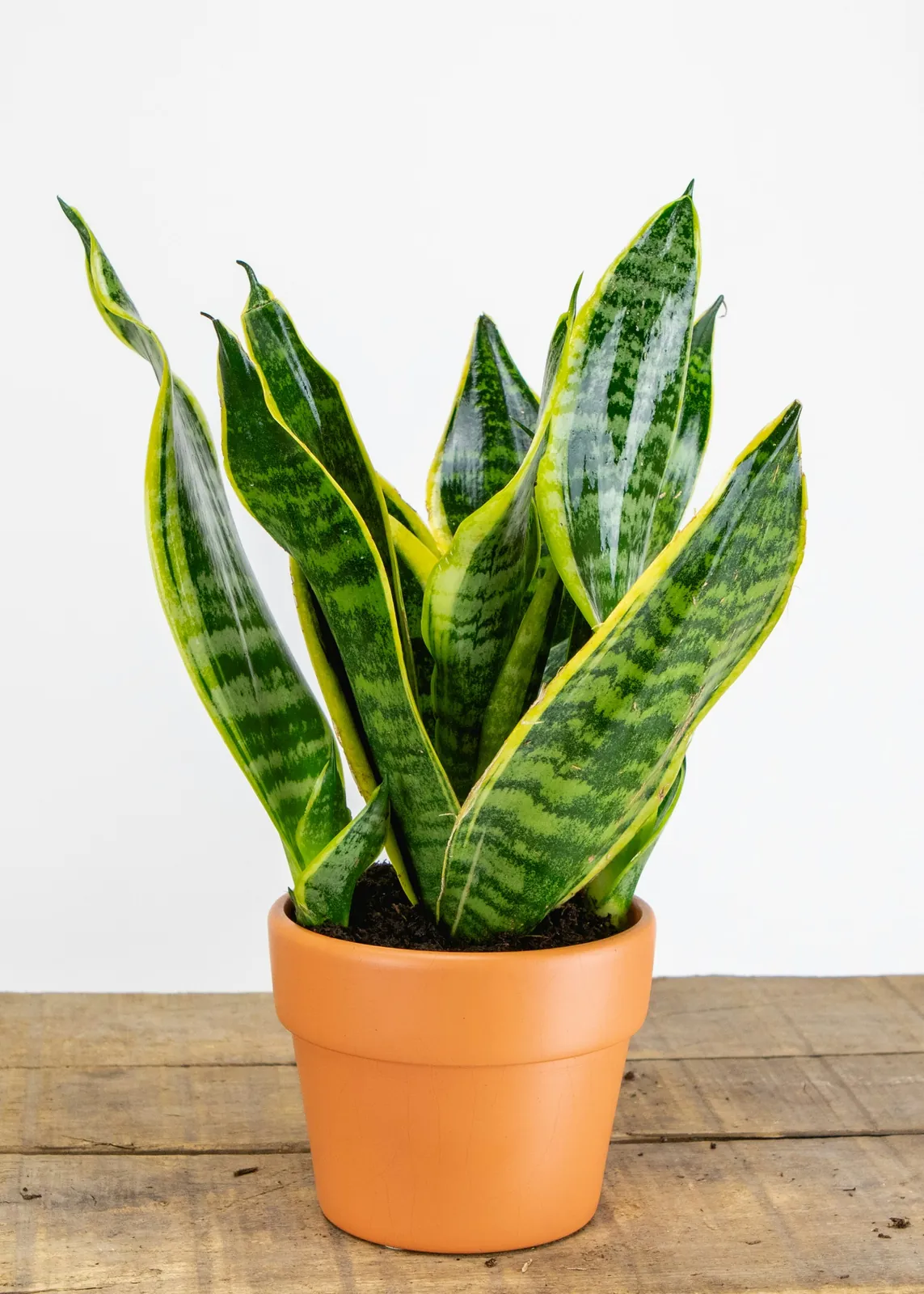
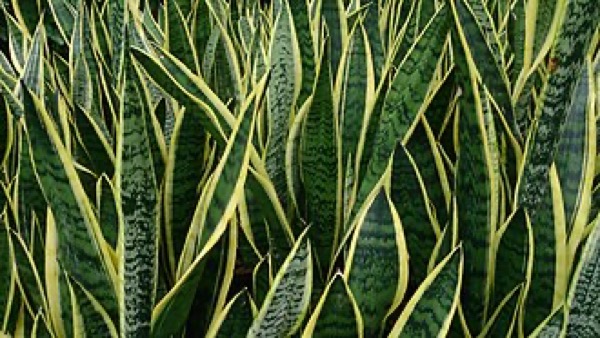
- A soft, dark base or stem. In snake plant, aloe vera and other succulents, the leaves turn soft and see-through near the compost.
- Compost that never dries out, sometimes with a musty or rotten smell.
- Tiny flies around the pot. These are fungus gnats, which multiply in compost that's always damp.
- Leaves suddenly dropping, even healthy ones, in plants such as peperomia and jade plant.
Why it happens
- Watering by the calendar, without checking the compost.
- A pot with no drainage hole, or a decorative outer pot that collects water at the bottom.
- Standing water in the saucer.
- A pot that's too big for the plant: lots of compost takes a long time to dry.
- Too little light: a plant in the dark drinks very little.
- Cold: in winter, almost all plants need less water.
How to save it
- Stop watering and empty the saucer.
- Move it somewhere brighter, out of strong direct sun.
- Check the roots if the plant is still drooping: ease it out of the pot carefully.
- Healthy roots are firm and pale.
- Rotten roots are soft, dark and fall apart.
- Cut off the rotten parts with clean scissors.
- Repot in fresh, dry compost, in a pot with a hole that suits the size of the plant.
- Let the compost dry before you water again, depending on the plant:
- for succulents and snake plant, wait until it's completely dry;
- for foliage plants, wait until the top few centimetres are dry.
If a succulent is badly rotted, the answer is to take cuttings from the healthy parts.
How to avoid it
- Do the finger test before you water: see when to water houseplants.
- Use a pot with a hole and free-draining compost. For succulents, use a specialist compost.
- Empty the saucer after every watering.
- Water less when it's cold.
 Plant in this guideSnake plantSee the full plant page
Sources
momiroot catalogue plant pages (common problems, with sources from NC State Extension and the RHS).