
 Português
 Español
 Français
 Deutsch
 Italiano
Light · 2 min read
Real bright indirect light: the hand-shadow test
A 10-second test with your hand to find out whether your plant's spot gets direct sun, bright indirect light or low light.

In this guide · 4 parts
“Bright indirect light” is on the label of almost every plant, but how do you know whether a spot in your home really has it? A 10-second test, with just your hand, does the job.
The hand-shadow test
At midday, hold your hand about 30 cm above where the plant sits and look at the shadow:
- A sharp shadow with crisp edges: direct sun.
- A visible shadow with blurry edges: bright indirect light.
- A faint shadow that almost disappears: partial shade or shade.
Repeat it in two or three corners of your home. The difference from one spot to another will surprise you.
What to do with the result
- Direct sun: suits succulents such as echeveria and aloe vera, and herbs such as rosemary and basil. For thin-leaved plants it's too much: move them away from the window or filter the light with a sheer curtain.
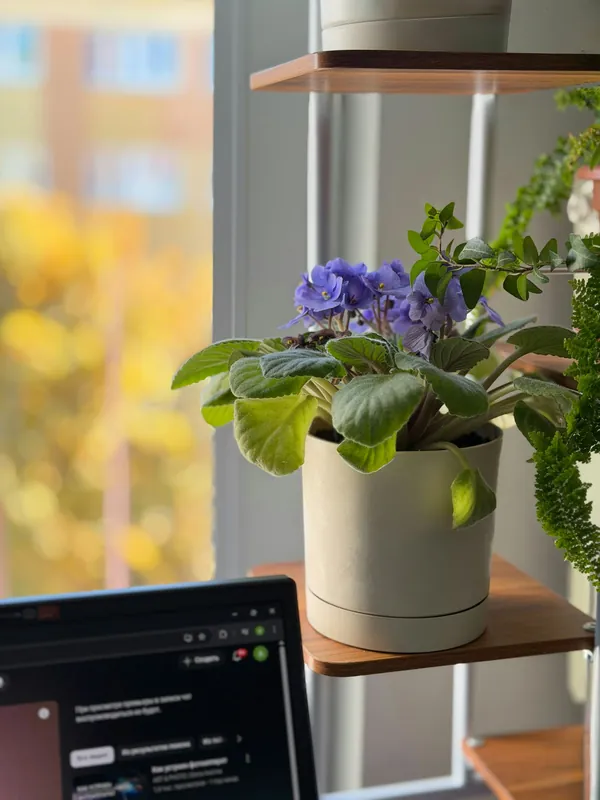
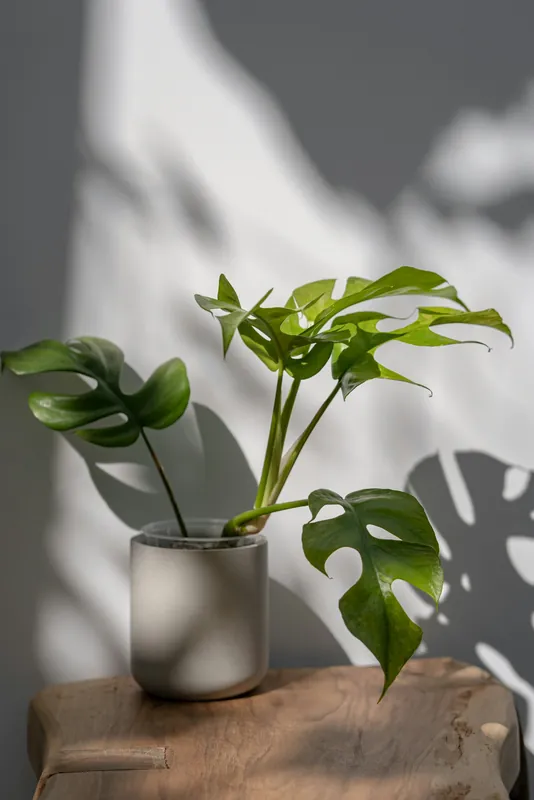
- Bright indirect light: this is the place for devil's ivy, the Swiss cheese plant, the calathea and the African violet.
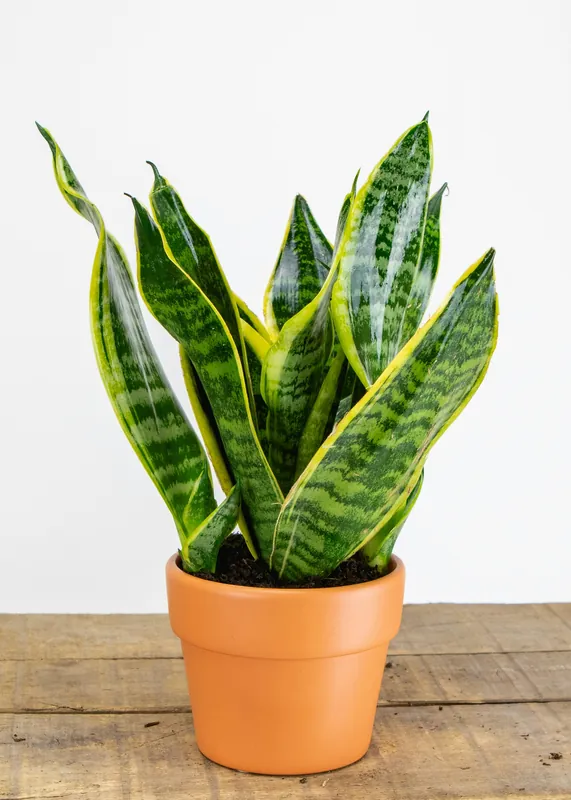
- Partial shade or shade: suits the ZZ plant and the snake plant, which cope with low light but grow more in brighter spots.
Signs of the wrong light
- Too little light: long, thin stems, the plant leaning towards the window, leaves losing their colour and no flowers.
- Too much light: dry patches, pale or brown, and faded leaves or leaves scorched at the edges.
Mind the window
An east-facing window gets the gentle morning sun, great for bright indirect light. A west-facing one gets the strong afternoon sun. In the UK and the rest of the northern hemisphere, a south-facing window gets the most sun and a north-facing one the least; in the southern hemisphere, such as in Brazil, north and south are the other way round. The full guide is in bright indirect light: what it is and how to find the right spot.
Sources
- momiroot catalogue plant pages (each plant's light range)
- RHS, how to choose the best spot for houseplants: https://www.rhs.org.uk/plants/types/houseplants/choosing-the-best