Swiss cheese plant
Monstera deliciosa · Family Araceae
Also known as: monstera, monstera deliciosa
- Light
- Partial shade to bright indirect
- Watering
- Every 7 days
- Difficulty
- Easy
- Pet-safe
- No, keep it away from cats and dogs
Care
Where to put it
A spacious living room, near a window with a net curtain.
Light
Plenty of indirect light. Tolerates direct morning sun.
Watering
Water thoroughly and let it drain. Wait for the top to dry before watering again.
About the plant
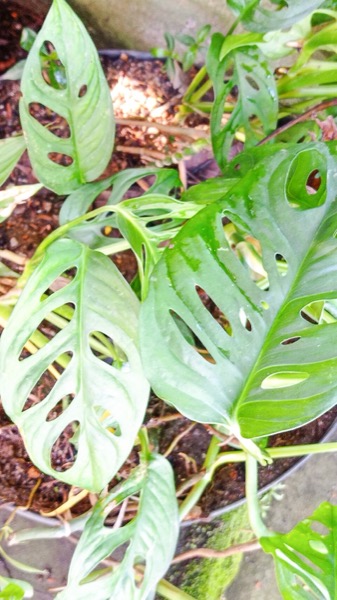
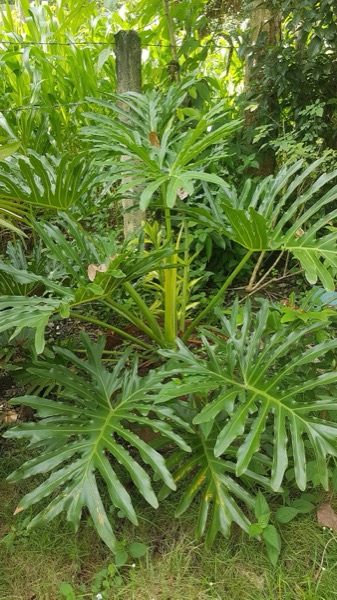
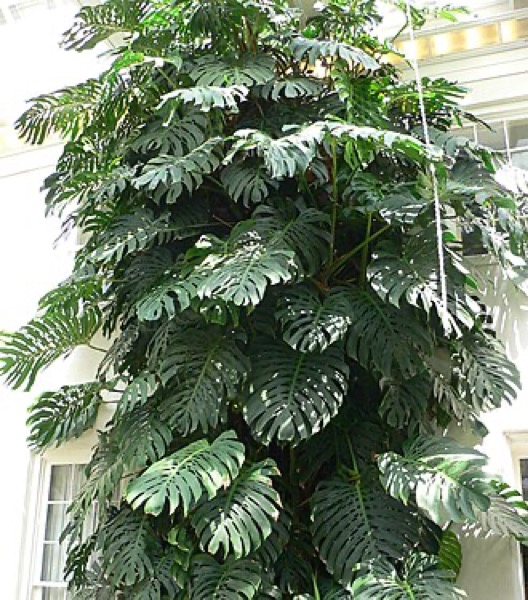
Its huge, split leaves full of holes have become an icon of tropical décor. It is a sturdy climber that puts out aerial roots for support, and indoors it can reach 2 metres with a good pole. It grows fast when given plenty of indirect light.
Origin
Native to the humid tropical forests of southern Mexico and Central America, where it climbs trees.
What it likes
- Plenty of indirect light
- A coir or moss pole
- Higher humidity
What it dislikes
- Direct sun scorching the leaves
- Constantly soggy compost
- Long periods in dark rooms
Did you know?
The name deliciosa comes from the fruit: when fully ripe it is edible and tastes like a mix of pineapple and banana.
Toxicity
| Cats | Toxic |
|---|---|
| Dogs | Toxic |
| People | Mildly toxic |
The leaves and stems contain calcium oxalate crystals. When chewed, they irritate the mouth and can cause drooling, vomiting and difficulty swallowing.
If any is eaten, contact a vet or a poison information service.
Common problems
Yellow leaves
Symptoms: Older leaves turning yellow, sometimes with compost that stays wet for days.
Causes: Overwatering or a pot without drainage, which starves the roots of air.
What to do: Let the top few centimetres of compost dry before watering again and empty the saucer. Remove leaves that are fully yellow.
Prevention: Use a pot with a drainage hole and an airy mix, and water only when the top layer is dry.
Frequently asked questions
Why don’t my Swiss cheese plant’s leaves have holes?
Young plants usually have whole leaves. The splits and holes appear as the plant matures, which happens faster with plenty of indirect light and a pole to climb.
Native range
- Northern America: Mexico
- Southern and Central America: Central America
Climate: Tropical
Uses and symbolism
Uses
Grown as an ornamental plant. In its native range the fully ripe fruit is eaten; unripe, it irritates the mouth.