
 Português
 Español
 Français
 Deutsch
 Italiano
Pets · 3 min read
15 houseplants safe for cats (and 10 to avoid)
A list of houseplants that are non-toxic to cats according to the ASPCA and NC State, plus common plants it's best to avoid. And what to do if your cat chews one.
In this guide · 6 parts
Cats love chewing leaves, and some of the most popular houseplants are toxic to them. The good news is that you can still have a home full of greenery, with plants considered non-toxic to cats.
The ratings below follow the list from the ASPCA, the American Society for the Prevention of Cruelty to Animals. It keeps the largest public database on plants and pets. When the ASPCA doesn't list a species, we use NC State Extension, from North Carolina State University. The sources are at the end of the post.
15 houseplants that are non-toxic to cats
- Spider plant: easy, fast-growing and produces baby plants. Cats love to chew it, so keep it up high.
- Boston fern: a classic for a porch or balcony. It likes compost that's always moist.
- Moth orchid: the best-selling orchid in the world.
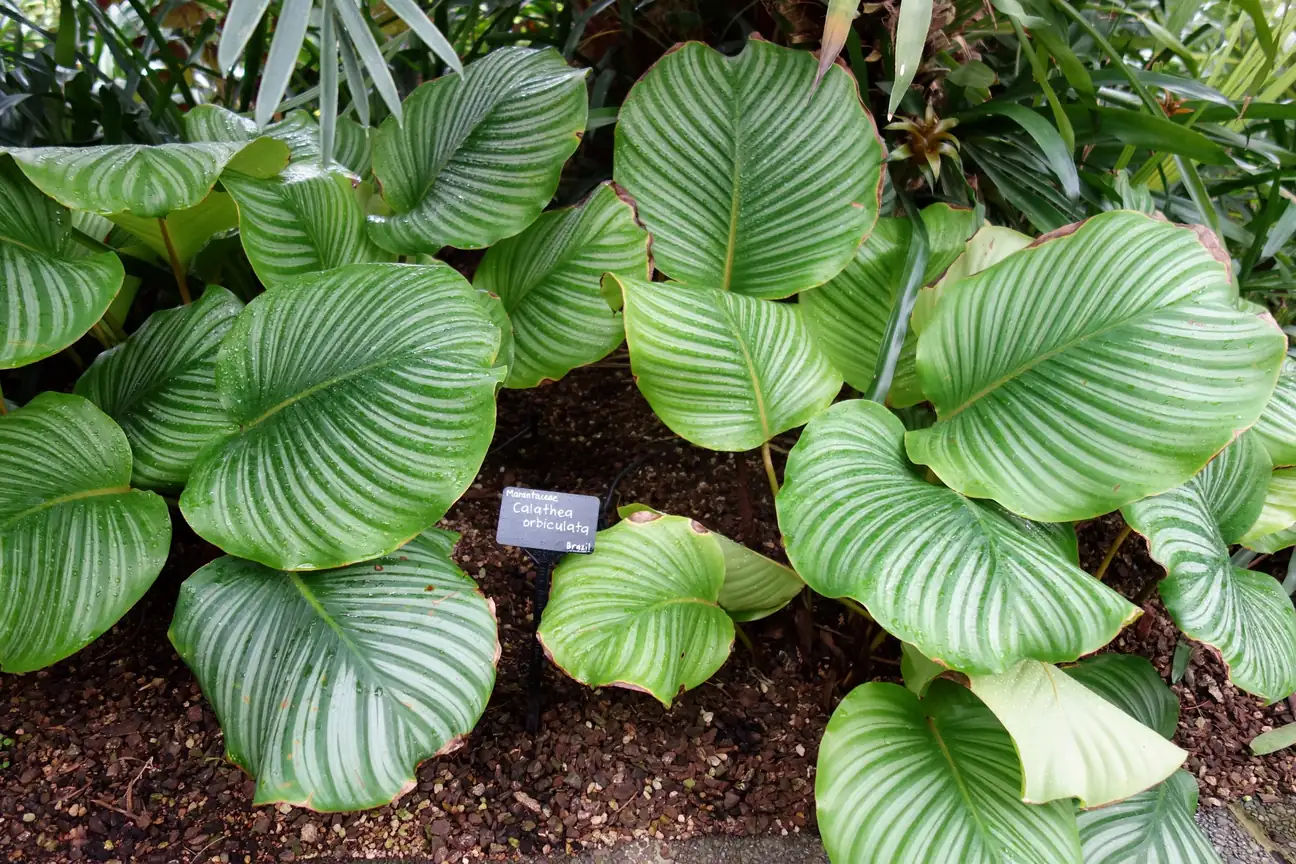
- Calathea: striped leaves; it needs humid air.
- Nerve plant (Fittonia): leaves with drawn-in veins; it likes humid air.
- Peperomia: thick leaves, little watering.
- Areca palm: gives a living room a tropical feel.
- Echeveria: a rosette-shaped succulent that loves sun.
- African violet: flowers all year round in good light.
- Guzmania: a colourful bromeliad flower that lasts for months.
- Christmas cactus: a forest cactus with no spines. Rated non-toxic by NC State.
- Norfolk Island pine: a living Christmas tree.
- False aralia: fine, lacy leaves.
- Alstroemeria: grown as a cut flower and in pots.
- Dwarf banana plant: big leaves for a tropical look.
10 common plants to avoid (or keep out of reach)
| Plant | What happens, according to the ASPCA |
|---|---|
| Devil's ivy | Calcium oxalate crystals: burning mouth, drooling, vomiting |
| Swiss cheese plant | Calcium oxalate: mouth irritation and vomiting |
| Peace lily | Calcium oxalate: mouth irritation and difficulty swallowing |
| Dumb cane | One of the most toxic houseplants: swelling of the mouth and throat |
| Snake plant | Saponins: nausea, vomiting, diarrhoea |
| Aloe vera | Saponins and anthraquinones: vomiting, diarrhoea, lethargy |
| Kalanchoe | Affects the heart; vomiting and diarrhoea |
| Flamingo flower | Calcium oxalate: mouth irritation |
| Arrowhead plant | Calcium oxalate: mouth irritation, vomiting |
| ZZ plant | Calcium oxalate: vomiting and diarrhoea (NC State) |
Your cat has chewed a plant. What now?
- Move the rest of the plant out of reach and work out which plant it is.
- Contact a vet, ideally with the plant's name or a photo.
- Don't give any medicine or try to make your cat sick without advice.
Tips for living together
- Keep toxic plants only in places that are truly out of reach. Cats climb everything, so a low shelf won't do.
- Offer an alternative: a pot of cat grass (wheat or oats) just for them.
- Check the plant's page before you buy.
See the full list of plants toxic to pets.
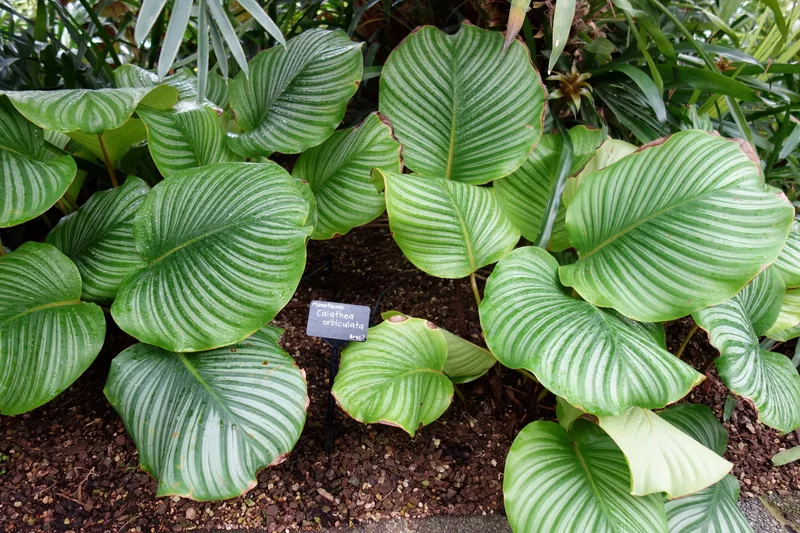 Plant in this guideCalatheaSee the full plant page
Sources
- ASPCA, Toxic and Non-Toxic Plant List: aspca.org/pet-care/aspca-poison-control/toxic-and-non-toxic-plants (each plant's page is linked in the catalogue)
- ASPCA, Lilies: aspca.org/pet-care/aspca-poison-control/toxic-and-non-toxic-plants/lily
- NC State Extension Gardener Plant Toolbox: plants.ces.ncsu.edu (Schlumbergera truncata, Zamioculcas zamiifolia, Goeppertia orbifolia and Streptocarpus ionanthus)