
 Português
 Español
 Français
 Deutsch
 Italiano
 Polski
Leaves drying and falling
Dry leaves that fall easily.
Causes: Dry air.
What to do: Raise the humidity around the plant with a tray of pebbles and water.
Foliage · Moderate · Bright indirect
Plerandra elegantissima · also known as false aralia, finger aralia · Family Araliaceae
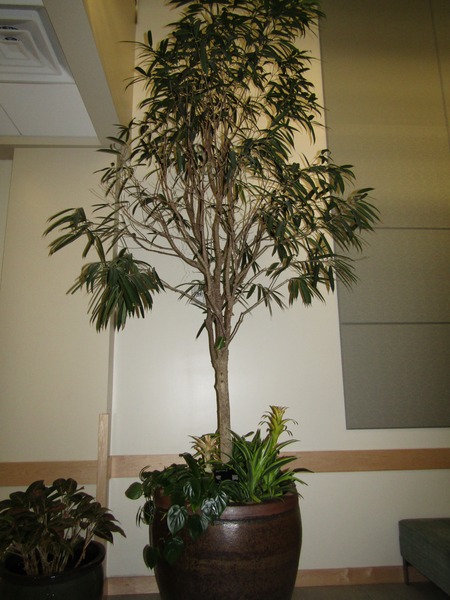
Main photo: Jayachandranjay · CC BY-SA 4.0 · Wikimedia Commons
A shrub with thin leaves cut like fingers, dark green on top and coppery underneath. It gives a delicate, lacy feel to the room.
Bright living room, near a window, away from wind and air conditioning.
Bright indirect light. Morning sun is acceptable; avoid strong afternoon sun.
Water regularly and moderately in spring and summer, much less in autumn and winter.
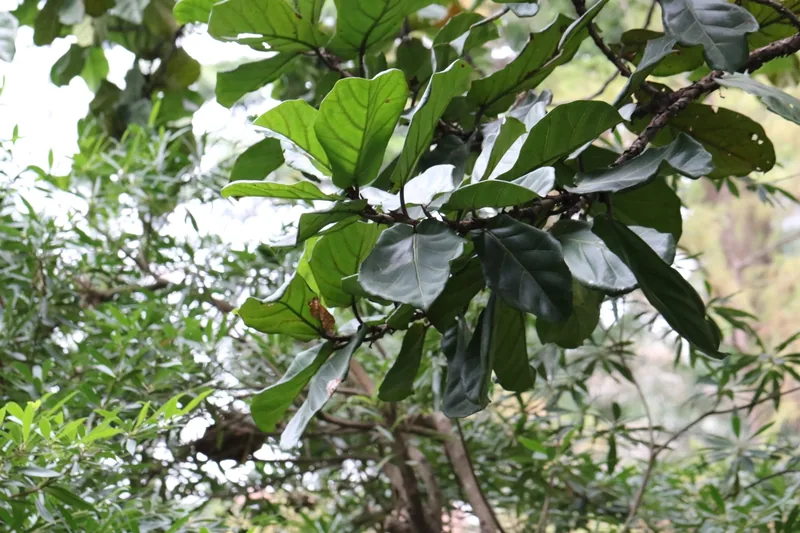
The leaves change with age: young ones are narrow and serrated; on mature plants, they become much broader.
The ASPCA classes false aralia as non-toxic to dogs and cats. Contact with the plant can cause a skin allergy in some people (RHS); wear gloves when pruning.
If your pet eats any part of it, contact a vet or a poisons information service.
Dry leaves that fall easily.
Causes: Dry air.
What to do: Raise the humidity around the plant with a tray of pebbles and water.
White spots, scales or fine webs.
Causes: Common pests in dry rooms.
What to do: Clean the leaves and repeat for a few weeks.
Water regularly and moderately in spring and summer, which usually means about every 5 days, and much less in autumn and winter. momiroot reminds you to water and shows the weather in your city.
The most common reason is dry air. It needs high humidity.
No. The ASPCA lists false aralia as non-toxic to dogs and cats.
Listed in: Pet-safe plants · Foliage plants
Sources: ASPCA · GBIF · POWO (Kew) · NC State Extension