
 Português
 Español
 Français
 Deutsch
 Italiano
 Polski
Brown edges
Dry edges and tips on the leaves.
Causes: Dry air, compost that dried out, or wind.
What to do: Cut off only the dry part, keep the compost moist and raise the humidity around the plant.
Foliage · Moderate · Partial shade to bright indirect
Ctenanthe burle-marxii · also known as fishbone prayer plant, ctenanthe · Family Marantaceae
Main photo: Krzysztof Ziarnek, Kenraiz · CC BY-SA 4.0 · Wikimedia Commons
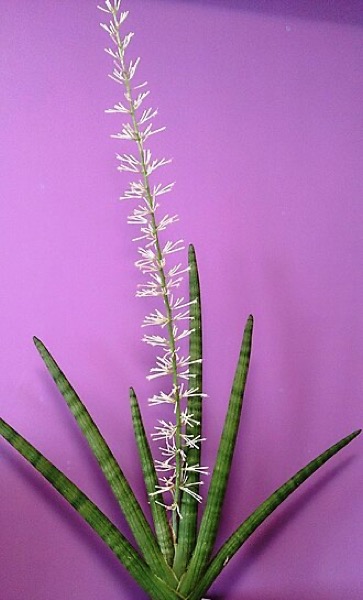
Low, dense foliage with light green leaves marked by dark stripes that look like a fishbone. It is related to calatheas and marantas and likes the same conditions: soft light and humid air.
Bright living room or bedroom, away from windows with direct sun and from air conditioning.
Partial shade to indirect light. Direct sun scorches the leaves.
Keep the compost slightly moist at all times, without waterlogging it.
The species name, burle-marxii, honours the Brazilian landscape designer Roberto Burle Marx.
If your pet eats any part of it, contact a vet or a poisons information service.
Dry edges and tips on the leaves.
Causes: Dry air, compost that dried out, or wind.
What to do: Cut off only the dry part, keep the compost moist and raise the humidity around the plant.
White, cotton-like spots on the leaves and stems.
Causes: A common pest on houseplants.
What to do: Isolate the plant and remove the mealybugs with a cotton bud or a damp cloth. Repeat for a few weeks.
Keep the compost slightly moist at all times, which usually means watering about every 4 days. Do not let it dry out or become waterlogged. momiroot reminds you to water and shows the weather in your city.
Not direct sun. It prefers soft indirect light or partial shade.
We could not find reliable data on the toxicity of ctenanthe. As a precaution, keep it out of reach of pets and, if an animal chews the plant and becomes unwell, contact a vet.
Listed in: Plants for low light · Foliage plants · Plants native to Brazil
Sources: GBIF · POWO (Kew) · RHS